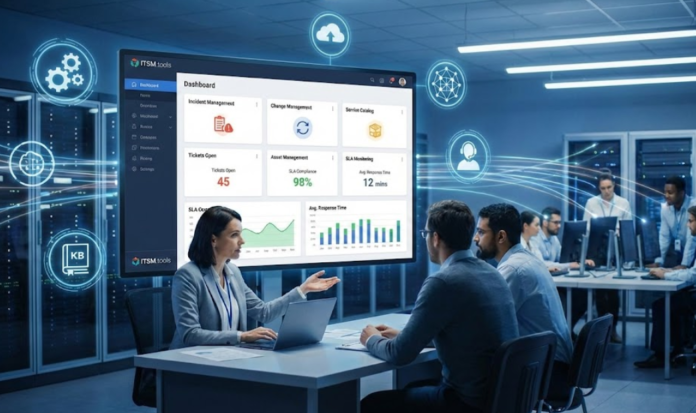

IT teams today juggle countless acronyms, but two that often cause confusion are ITAM and ITSM. While they sound similar and both focus on IT management, they serve very different purposes in your organization. Understanding the distinction between IT Asset Management and IT Service Management is crucial for building an effective IT strategy that controls costs while delivering reliable service to your users.
Understanding IT Asset Management (ITAM)
IT Asset Management (ITAM) is the practice of tracking, managing, and optimizing all IT assets throughout their lifecycle—from procurement to disposal. This includes hardware like servers, laptops, and network equipment, as well as software licenses, cloud subscriptions, and digital assets.
ITAM focuses on the things that make up your IT infrastructure. The primary goals are to maintain accurate inventory, ensure compliance with software licensing, optimize costs, and manage security risks associated with your assets.
Core ITAM functions include:
- Asset discovery and inventory: Automatically finding and cataloging all IT assets across your network
- License management: Tracking software licenses to avoid compliance violations and optimize spending
- Lifecycle management: Managing assets from purchase through retirement and disposal
- Cost optimization: Identifying underutilized assets and right-sizing your IT investments
- Risk management: Monitoring for security vulnerabilities and compliance gaps
Understanding IT Service Management (ITSM)
IT Service Management (ITSM) is the strategic approach to designing, delivering, managing, and improving IT services that support business objectives. ITSM is built around frameworks like ITIL (Information Technology Infrastructure Library) and focuses on service delivery rather than individual technology components.
While ITAM manages the things, ITSM manages the services and processes that deliver value to your organization and end users.
Core ITSM processes include:
- Incident management: Restoring normal service operations as quickly as possible
- Change management: Controlling and documenting changes to IT infrastructure
- Problem management: Identifying and eliminating root causes of incidents
- Service catalog management: Maintaining a clear view of available IT services
- Knowledge management: Capturing and sharing information to improve service delivery
Key Differences Between ITAM and ITSM
| Aspect | ITAM | ITSM |
|---|---|---|
| Primary focus | Managing IT assets and resources | Delivering IT services to users |
| Main objective | Cost control and compliance | Service quality and user satisfaction |
| Key activities | Inventory, licensing, lifecycle management | Incident response, change control, service delivery |
| Success metrics | Asset utilization, compliance rates, cost savings | Resolution times, user satisfaction, service availability |
| Data focus | Asset attributes, costs, locations | Service requests, incidents, user interactions |
Why You Need Both ITAM and ITSM
The most successful IT organizations don’t choose between ITAM and ITSM—they implement both. These disciplines complement each other and create a more complete picture of your IT environment.
ITAM provides the foundation of accurate asset data that ITSM processes rely on. When your service desk receives an incident report, knowing exactly what hardware and software the user has installed speeds resolution. Similarly, change management processes need accurate configuration data to assess the impact of proposed changes.
ITSM processes generate valuable data that feeds back into ITAM decisions. Service desk tickets reveal which assets require the most support, helping inform future purchasing decisions. Change records show how assets are configured and connected, improving your understanding of dependencies.
Organizations that integrate ITAM and ITSM typically see better cost control, faster incident resolution, and improved compliance compared to those that treat them as separate initiatives.
Common Integration Points
Several areas where ITAM and ITSM naturally intersect show the value of coordinated implementation:
Configuration Management Database (CMDB)
A CMDB serves as the central repository for both asset information (ITAM focus) and service configuration data (ITSM focus). This shared foundation ensures both teams work from accurate, up-to-date information.
Incident and Problem Resolution
When users report issues, having immediate access to their complete asset profile—including hardware specifications, installed software, and warranty status—dramatically speeds diagnosis and resolution.
Change Impact Assessment
Effective change management requires understanding which assets and services might be affected by a proposed change. ITAM data provides the detailed asset relationships needed for thorough impact analysis.
Software License Optimization
ITSM service requests often involve software installations or access requests. Integrating this with ITAM license tracking prevents over-purchasing while ensuring compliance.
Choosing the Right Tools
Many organizations start with separate ITAM and ITSM tools, but integrated platforms are becoming increasingly popular. The choice depends on your organization’s size, complexity, and existing tool investments.
Standalone tools offer depth in their specific domain but require more effort to maintain data consistency between systems. Integrated platforms provide better data flow but may require compromises in specialized functionality.
Consider factors like your team’s expertise, integration requirements, budget constraints, and long-term growth plans when evaluating options. Some organizations benefit from best-of-breed approaches, while others prefer the simplicity of unified platforms.
Frequently Asked Questions
Can ITSM tools handle asset management?
Many ITSM platforms include basic asset management capabilities, but they typically lack the depth of specialized ITAM solutions. ITSM tools often focus on assets relevant to service delivery rather than comprehensive lifecycle management and detailed inventory tracking that dedicated ITAM platforms provide.
Do I need both if I have a small IT team?
Even small organizations benefit from both disciplines, though you might implement them through integrated tools rather than separate solutions. The key is starting with your most pressing needs—whether that’s better service delivery (ITSM) or cost control (ITAM)—and expanding from there.
How do ITAM and ITSM relate to ITOM?
IT Operations Management (ITOM) focuses on monitoring and managing the health and performance of IT infrastructure. While ITAM tracks what you have and ITSM manages service delivery, ITOM ensures everything runs smoothly. All three work together as part of comprehensive IT management.
What’s the biggest mistake organizations make with ITAM vs ITSM?
The most common mistake is treating them as competing priorities rather than complementary disciplines. Organizations often invest heavily in one area while neglecting the other, missing opportunities for improved efficiency and cost savings that come from integration.
Should I implement ITAM or ITSM first?
This depends on your biggest pain points. If users are frustrated with slow incident resolution or poor service quality, start with ITSM. If you’re struggling with software compliance, unknown assets, or cost control, prioritize ITAM. However, plan for eventual integration of both disciplines.
Pricing accurate as of the publish date and subject to change. Verify current pricing on each vendor’s official site before purchasing.
Photo by Elimende Inagella on Unsplash
