
TL;DR
ESM works when departments share a consistent service experience: a clear catalog, reliable workflows, and governance. It fails when each team buys a separate tool and you lose standardization.
What ESM means
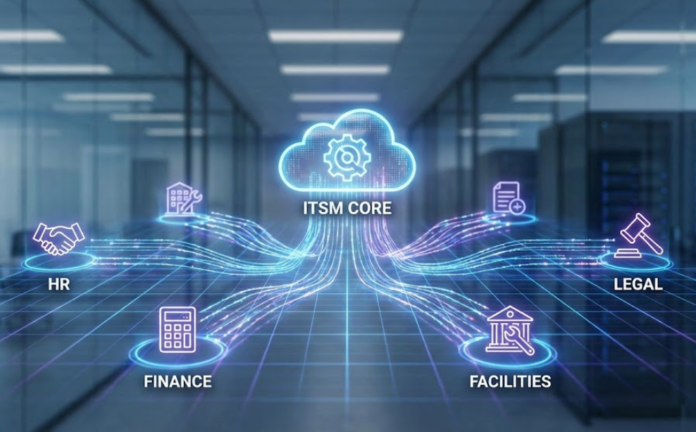
Enterprise Service Management extends service management capabilities beyond IT into areas like HR, Facilities, Finance, and Procurement. The goal is not “more tickets.” The goal is consistent intake, routing, approvals, and reporting for internal services.
A useful question is: Are you trying to make internal services measurable and predictable, or are you only trying to centralize requests?
ESM should be measurable.
What to evaluate for ESM
- Multi-department catalogs and clean request experiences
- Workflow design that non-developers can maintain
- Department-level controls for roles, approvals, and visibility
- Reporting by service, not only by queue
- Integration with identity, email, chat, and core business systems
Shortlist table
| Tool | Best for | Trade-offs to watch |
|---|---|---|
| ServiceNow | Large-scale ESM platform programs | Complexity and cost can be high |
| InvGate Service Management | IT-led ESM with strong admin efficiency | Integrations may require planning |
| Jira Service Management | ESM in Atlassian-first organizations | Admin can be more technical |
| TOPdesk | Structured internal services | Advanced tailoring varies |
| Freshservice | Simple expansion beyond IT | Depth varies by plan |
| BMC Helix ITSM | Enterprise service management depth | Operational overhead can be higher |
| HaloITSM | Flexible workflow modeling | Implementation approach varies |
How to start ESM without disrupting IT
Which department should you start with?
Choose a department that has repeatable, high-volume requests and clear ownership. Facilities is often a good first step because services and approvals are easy to define.
How do you prevent ESM from becoming tool sprawl?
Set a governance rule: the ESM platform owns intake, workflow, and reporting. Specialized tools can still exist, but the employee-facing request experience should remain consistent.
A simple ESM starter package
Start with:
- 3 services in one department
- One approval workflow
- Two SLA tiers
- A short knowledge section for common questions
- Monthly reporting review with service owners
Final takeaway
The best ESM tools are the ones that make it easy to scale consistent service experiences across departments while keeping governance clear. If your platform cannot be maintained by your internal team, ESM will stall.
