
TL;DR
Asset and configuration data only help when it improves incident resolution and change safety. The best tools are the ones that connect tickets, assets, and changes without turning your CMDB into a fragile data project.
Why ITSM plus ITAM and CMDB matters
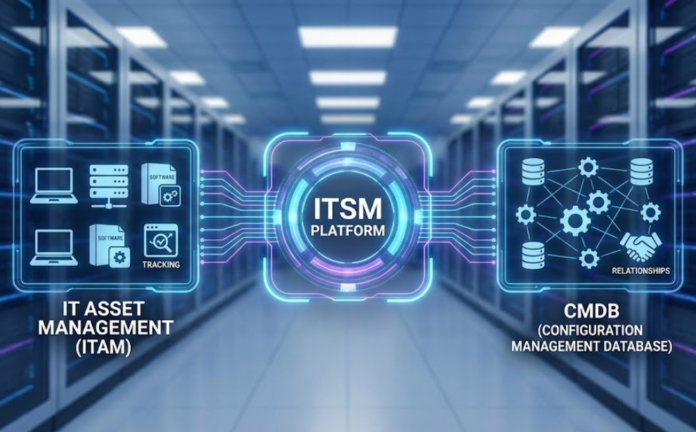
If your team frequently asks “Which device is this?” or “What service will this change impact?”, your ITSM tool is more valuable when it can reference assets and key configuration items.
The core question is simple: Will linking tickets to assets and services reduce resolution time and prevent repeated incidents?
If yes, prioritize tools that handle these links cleanly.
What to compare
- Ticket-to-asset association that is easy for agents
- Basic relationship modeling for services and key components
- Data quality controls such as required fields and ownership
- Ability to integrate with inventory sources where available
- Reporting that shows incident trends by asset or service
Shortlist table
| Tool | Best for | Trade-offs to watch |
|---|---|---|
| ManageEngine ServiceDesk Plus | ITSM plus asset workflows for value | Scope can expand quickly |
| Ivanti Neurons for ITSM | ITSM aligned with endpoint ecosystems | Implementation approach varies |
| BMC Helix ITSM | Enterprise CMDB depth | Higher operational complexity |
| SolarWinds Service Desk | Cloud-first ITSM plus asset tracking | Depth depends on needs |
| Freshservice | Simpler asset visibility tied to service desk | Advanced needs may require tiers |
| InvGate Service Management | Workflow-centered ITSM with governance | Asset strategy may rely on integrations |
| TOPdesk | Structured operations with asset context | Relationship modeling varies by use case |
What should you model first?
Should you model everything you own?
Usually not. A useful starting point is:
- Core business services
- Critical applications
- Key infrastructure components
- Endpoints if they drive a large volume of tickets
If you try to model everything from day one, your CMDB quality will degrade quickly.
How do you keep CMDB data from becoming outdated?
Treat it as an operating system, not a database:
- Assign owners for the most critical items
- Set review cadences for high-impact services
- Make linking tickets to key items part of the workflow
- Automate inventory capture when possible
A practical rollout plan
- Define 5 to 10 services that drive most incidents
- Identify the components that truly affect those services
- Require linking incidents to a service for P1 and P2
- Add change records that reference impacted services
- Review monthly: missing owners, duplicates, outdated items
What success looks like
Within two to three months, you should see:
- Faster diagnosis for recurring incidents
- Better change planning and fewer post-change incidents
- Reporting that highlights systemic issues by service
Final takeaway
Tools that combine ITSM with asset and configuration workflows can improve outcomes, but only if you keep the model small, owned, and used daily. Choose tools that make linking and governance easy for agents and admins.
