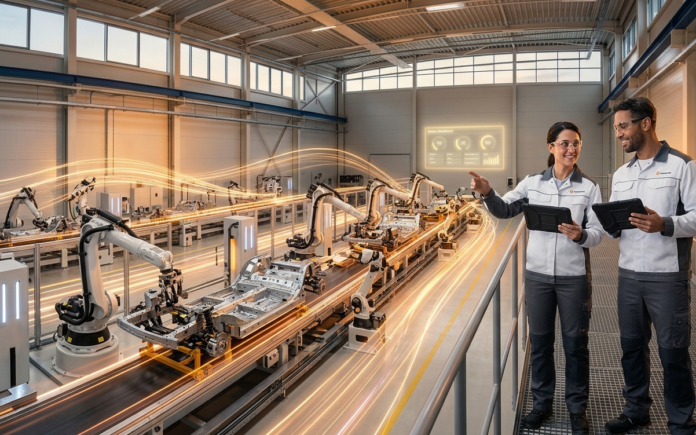

Manufacturing companies face unique IT challenges that traditional business solutions can’t address. Production lines require 24/7 uptime, industrial systems need specialized support, and operational technology (OT) must integrate seamlessly with information technology (IT). Whether you’re running a small fabrication shop or a multinational manufacturer, the right IT services can mean the difference between smooth operations and costly downtime.
Essential IT Services Manufacturing Companies Need
Manufacturing environments require specialized IT services that go beyond typical business support:
- 24/7 network monitoring and support — Production can’t wait for business hours when systems fail
- Industrial system integration — Connecting legacy manufacturing equipment with modern IT infrastructure
- Cybersecurity for operational technology — Protecting both business data and production systems from threats
- Disaster recovery planning — Minimizing production downtime during system failures or cyberattacks
- Regulatory compliance support — Meeting industry standards like ISO 27001, NIST, or sector-specific requirements
Types of IT Services for Manufacturing Companies
Managed IT Services
Managed IT services provide comprehensive support for manufacturing companies that want to focus on production rather than IT management. These services typically include network monitoring, help desk support, system maintenance, and strategic planning. For manufacturers, managed services often extend to include operational technology support, ensuring both business systems and production equipment receive expert attention.
Most managed service providers offer tiered support levels, from basic monitoring to comprehensive IT management. Manufacturing companies benefit from providers who understand industrial environments and can work around production schedules to minimize disruption.
Network Infrastructure Services
Manufacturing facilities require robust network infrastructure to support everything from office applications to industrial control systems. Network services include design and implementation of wired and wireless networks, network security, and performance optimization.
Modern manufacturing increasingly relies on IoT sensors, automated systems, and real-time data collection. A properly designed network infrastructure ensures these systems can communicate effectively while maintaining security boundaries between operational and business networks.
Cybersecurity Services
Manufacturing companies are increasingly targeted by cybercriminals seeking to disrupt operations or steal intellectual property. Specialized cybersecurity services for manufacturing include threat monitoring, security assessments, incident response, and employee training.
Key cybersecurity considerations for manufacturers include protecting industrial control systems, securing remote access for technicians, and implementing network segmentation to isolate critical production systems from business networks.
Cloud Services and Data Management
Cloud services help manufacturers modernize their IT infrastructure while maintaining the reliability production demands. Services include cloud migration planning, hybrid cloud implementation, and data backup solutions.
Many manufacturers use cloud services for business applications while keeping critical production systems on-premises. This hybrid approach provides flexibility for business operations while maintaining direct control over manufacturing systems.
Help Desk and User Support
Manufacturing employees need different types of IT support than typical office workers. Help desk services for manufacturing must understand industrial software, specialized equipment interfaces, and the unique workflows of production environments.
Effective help desk services for manufacturers provide both remote and on-site support, with technicians who can work safely in industrial environments and understand the urgency of production-related IT issues.
Key Benefits of Professional IT Services
Reduced Downtime
Every minute of production downtime costs money. Professional IT services help prevent system failures through proactive monitoring and maintenance. When issues do occur, experienced technicians can resolve them quickly, often before they impact production.
Enhanced Security
Manufacturing companies face unique cybersecurity challenges, with attacks on operational technology becoming increasingly common. Professional IT services provide the expertise and tools needed to protect both business data and production systems from cyber threats.
Scalability and Growth Support
As manufacturing companies grow or add new facilities, their IT needs evolve. Professional IT services can scale to meet changing requirements, from expanding network infrastructure to implementing new manufacturing execution systems.
Cost Predictability
Many IT service providers offer fixed monthly pricing, helping manufacturers budget for IT support costs. This predictable expense model is often more cost-effective than maintaining internal IT staff, especially for smaller manufacturers.
How to Choose IT Services for Your Manufacturing Company
Assess Your Current IT Environment
Start by documenting your existing IT infrastructure, including business systems, manufacturing equipment, and network architecture. Identify pain points, security gaps, and areas where technology could improve efficiency. This assessment provides the foundation for selecting appropriate IT services.
Consider Industry Experience
Look for IT service providers with specific experience in manufacturing environments. They should understand the unique challenges of industrial settings, including the need for 24/7 availability, safety requirements, and integration between business and operational systems.
Evaluate Service Level Agreements
Manufacturing companies need clear service level agreements that address their specific requirements. Key metrics include response times for critical issues, uptime guarantees, and escalation procedures. Make sure the provider can meet your availability requirements, especially if you operate multiple shifts or 24/7 production.
Plan for Growth and Change
Choose IT service providers who can grow with your business and adapt to changing technology needs. Manufacturing companies often expand facilities, implement new equipment, or adopt new technologies like IoT sensors or automation systems. Your IT service provider should be able to support these initiatives.
Frequently Asked Questions
What makes IT services for manufacturing different from general business IT support?
Manufacturing IT services must address the unique requirements of industrial environments, including 24/7 availability, integration with operational technology, and specialized security considerations. Providers need experience with manufacturing execution systems, industrial networks, and the safety requirements of production facilities.
How much do IT services for manufacturing companies typically cost?
Costs vary significantly based on company size, complexity of systems, and service requirements. Small manufacturers might spend $100-300 per employee per month for managed IT services, while larger companies with complex operational technology may require custom pricing. Most providers offer tiered service levels to match different budgets and requirements.
Should manufacturing companies use cloud services for production systems?
Most manufacturers use a hybrid approach, keeping critical production systems on-premises while moving business applications to the cloud. This provides the flexibility and cost benefits of cloud services while maintaining direct control over manufacturing operations. The decision depends on factors like connectivity reliability, latency requirements, and security policies.
How do managed IT services handle emergency support for manufacturing companies?
Quality managed IT service providers offer 24/7 emergency support with guaranteed response times for critical issues. This typically includes remote monitoring to identify problems before they cause downtime, plus on-site technicians who can respond quickly to hardware failures or system emergencies that impact production.
What cybersecurity considerations are most important for manufacturing companies?
Key cybersecurity priorities include protecting operational technology from cyber threats, implementing network segmentation to isolate production systems, securing remote access for maintenance and support, and developing incident response plans specifically for manufacturing environments. Regular security assessments help identify vulnerabilities in both business and operational systems.
Pricing accurate as of the publish date and subject to change. Verify current pricing on each vendor’s official site before purchasing.
